




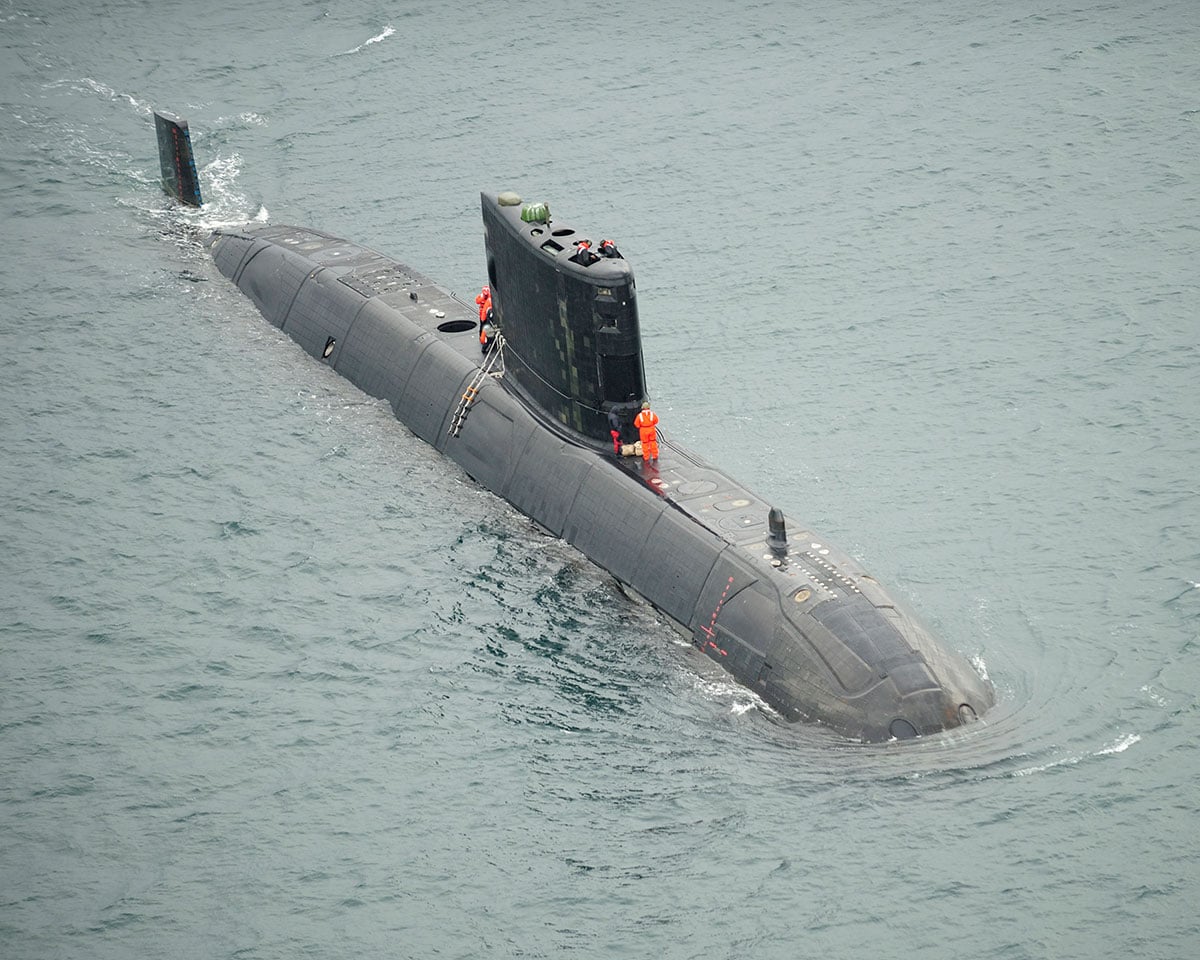
Canada has officially selected Germany’s Thyssenkrupp Marine Systems (TKMS) for the construction of a new fleet of submarines valued in the multi-billion-dollar range. Prime Minister Mark Carney made this announcement while preparing for a NATO summit in Turkey, where member nations will demonstrate their commitment to defense spending in light of pressures from the U.S. administration.
With Canada’s aging British-built Victoria-class submarines set to be decommissioned within the next decade, the need for modern vessels has become critical. The Canadian government initiated a procurement process in 2024 aiming to secure 12 new submarines. Following a comprehensive review, TKMS and South Korea’s Hanwha Ocean Co. emerged as the final contenders for the lucrative contract. Prime Minister Carney confirmed that TKMS had surpassed its rival in the selection process.
During a speech in Halifax, Carney remarked on the challenging decision, emphasizing the competitive qualifications of both firms. He announced that Ottawa will now enter exclusive negotiations with TKMS, a process expected to take approximately 18 months. Should these discussions not result in a contract, Canada retains the option to revert to Hanwha.
While Carney refrained from disclosing specific financial details due to the confidentiality of the negotiations, he indicated that the submarine deal would generate “tens of billions of dollars” for the Canadian economy.
The decision is also strategically tied to NATO relationships, as industry experts suggest that TKMS had the advantage due to Carney’s aim to enhance partnerships with European allies within the alliance. Canadian defense analyst Wesley Wark noted that the NATO aspect was likely the decisive factor in choosing TKMS over Hanwha.
In response to the announcement, German Chancellor Friedrich Merz characterized it as a significant affirmation of transatlantic and European collaboration within the defense sector. This comes on the heels of prior NATO commitments, which saw member nations agreeing to increase defense spending to five percent of GDP by 2035.
Since taking office, Carney has propelled significant military spending reforms and highlighted the necessity for Canada to decrease its reliance on U.S. security support. Strengthening alliances with European NATO countries has been a primary focus during his administration. Notably, Canada became the first non-EU nation to participate in the European defense procurement scheme.
Wark pointed out that the German bid’s appeal was further enhanced by Canada’s strategic pivot toward transatlantic and European security relations. Carney underscored that TKMS supplies submarines to more than one-third of NATO member countries.
However, the decision to overlook South Korea may have diplomatic repercussions, as Wark noted that Carney might face challenges during the NATO summit, especially with South Korean President Lee Jae Myung also attending. Wark indicated the significance of maintaining strong partnerships in the Indo-Pacific region, highlighting Korea as a vital ally for Canada.


