




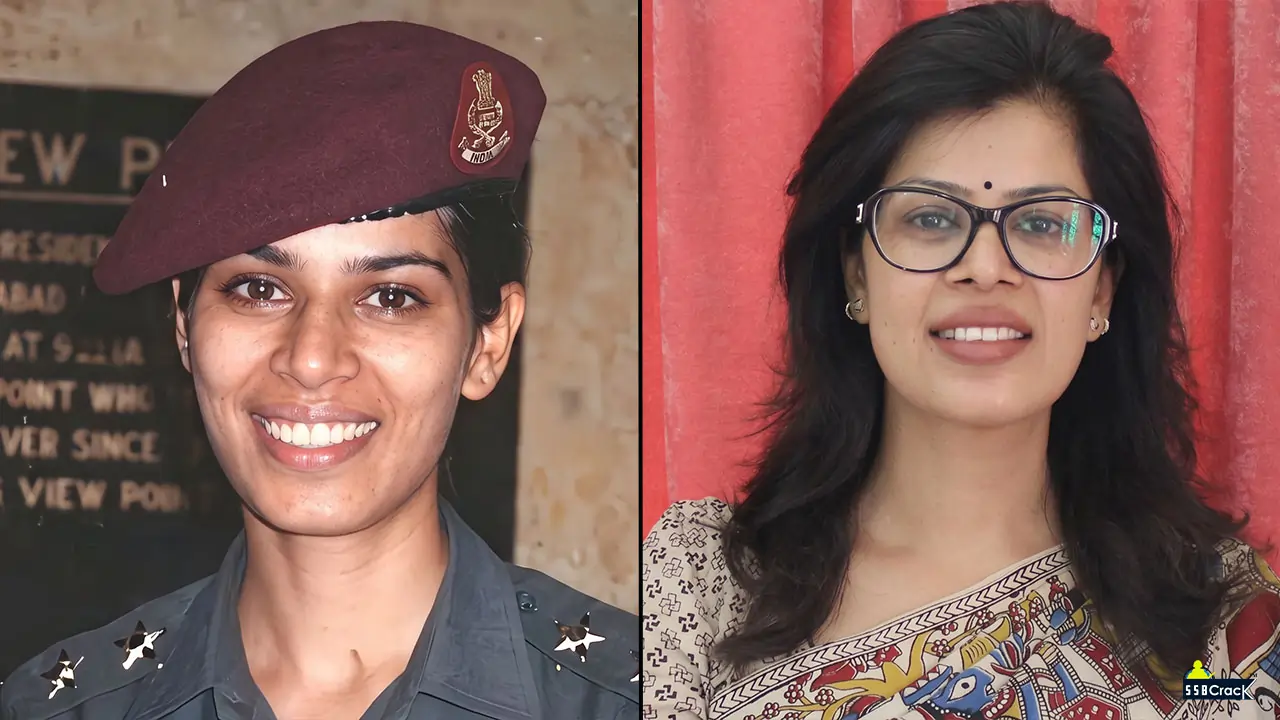
Captain Ruchi Sharma stands as a groundbreaking figure in the history of the Indian Armed Forces, having made headlines as the first Indian woman to qualify as an operational paratrooper and receive the coveted maroon beret. In a time when female officers were just beginning to carve their space within the military, her willingness to embrace one of the toughest challenges marked a pivotal moment not only for women in uniform but also for the broader evolution of the Indian military.
Her journey, originating from a family steeped in military tradition, is a testament to determination and resilience. Born and raised in Chandigarh, Ruchi was deeply influenced by her father’s service in the Indian Army, which instilled values of discipline, hard work, and independence within her. While her initial ambition was to pursue a career in medicine, the call of military service captured her heart, leading her to join the Indian Army through the Short Service Commission route at the age of 20.
In 1996, she was commissioned into the Army Ordnance Corps during a transformative time for women in the military. However, Sharma sought more than a conventional role, setting her sights on the elite path of airborne and paratrooper training—an unusual choice for a woman officer at the time. The Parachute Regiment is renowned for its rigorous training and operational challenges, demanding peak physical and mental endurance.
Sharma faced extensive training at the Paratroopers Training School in Agra, where candidates underwent intense physical conditioning, tactical drills, and airborne exercises that pushed them to their limits. One of the most grueling tests involved a 40-kilometer run with an added load, which was a litmus test of stamina, resilience, and mental fortitude.
In 1997, Ruchi Sharma completed the Basic Airborne Course, earning the distinction of being the first Indian woman to achieve the status of operational paratrooper. This accomplishment was revolutionary, challenging the prevailing assumptions about women’s capabilities in physically demanding military roles. Her inaugural parachute jump became a defining moment, evoking feelings of exhilaration and accomplishment that underscored her groundbreaking journey.
Sharma’s commitment and capability shone through as she served in challenging environments, including the extreme conditions of Ladakh, where her adaptiveness and discipline were tested. Over the course of her service, she received numerous accolades, including the General Oberoi Trophy for “Best Women Adventurer” in her corps and the President’s Gold Medal for her outstanding contributions.
Her achievements were not just personal victories; they symbolized significant shifts within the Indian military discourse surrounding women in combat roles. In 1998, she prominently featured on the cover of a leading national publication that showcased the evolving face of the Indian Army, reinforcing her status as a pioneer.
Throughout her public engagements, Captain Sharma fervently advocated for equal opportunities for women in the armed forces based on merit, while also realistically addressing the challenges of military service. Her perspectives played a crucial role in public conversations about women’s evolving roles in defense services.
In 2003, after seven years of service, Sharma voluntarily retired to focus on her family amid limited long-term permanent commission prospects for women officers at that time. She later expressed that she would have pursued a longer military career had more opportunities been available.
Post-retirement, she continued to impact society through education and mentoring, taking on leadership roles within Army educational institutions. As a principal at an Army school, she fostered an environment of discipline, confidence, and patriotism, guiding and inspiring students to aspire towards ambitious careers.
Ruchi Sharma’s contributions gained renewed recognition during the #SheInspiresUs campaign in 2020, initiated by the Government of India to highlight her pioneering role as the nation’s first operational woman paratrooper. This acknowledgment underlined her lasting influence within the Indian Armed Forces.
Today, as the military expands its horizons for women in various operational fields, Captain Ruchi Sharma’s legacy remains an emblem of resilience and ambition. Her maroon beret now stands as a powerful symbol of perseverance and progress within the Indian Armed Forces, inspiring future generations—especially young women—who aspire to serve their country and excel in challenging environments.


