




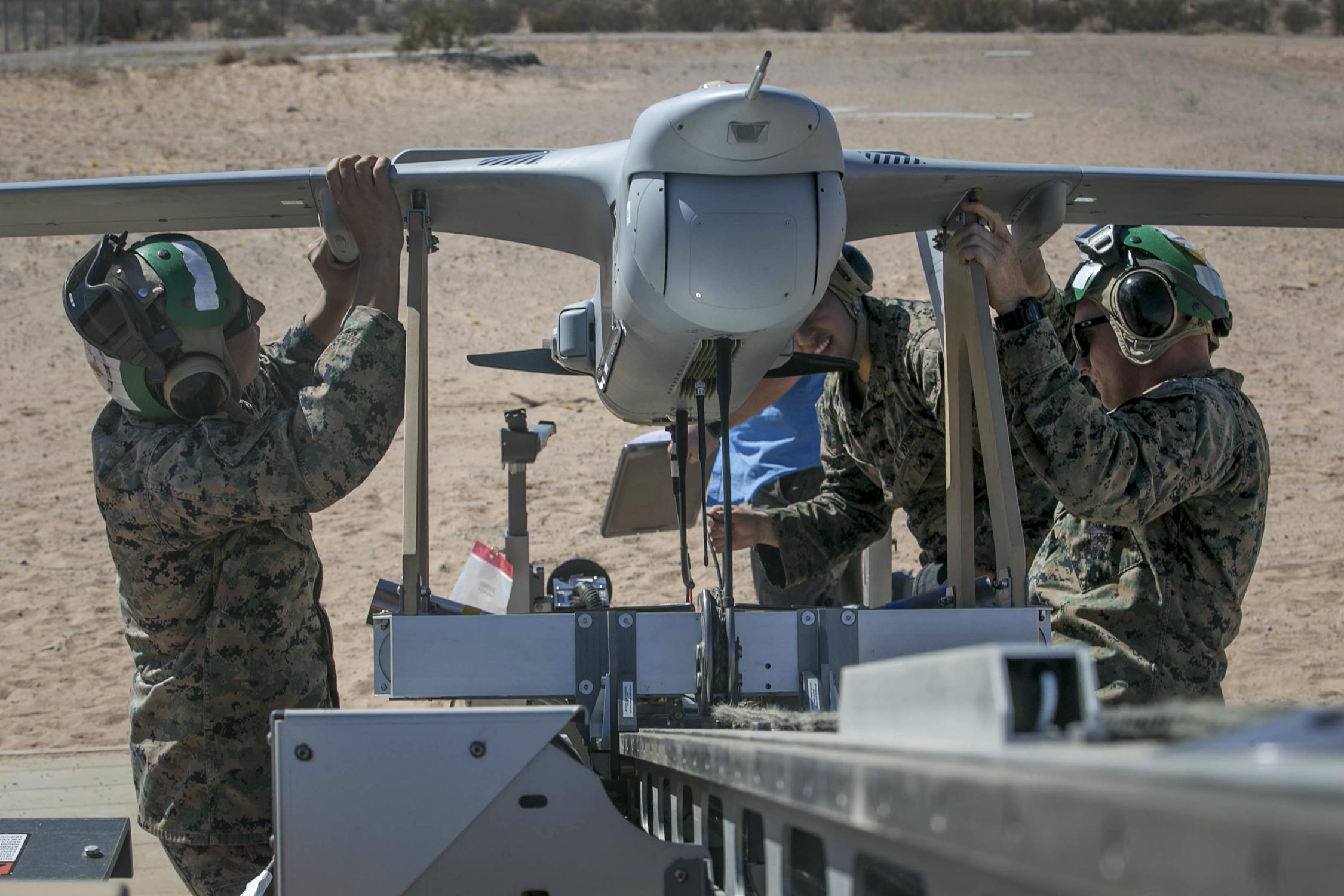
U.S. special operations commanders have highlighted significant challenges stemming from proprietary restrictions imposed by defense contractors, which impede the rapid repair and adaptation of military equipment, particularly unmanned aerial systems. As global adversaries leverage commercially available technology with increasing speed, U.S. forces find themselves constrained by these limitations.
Lt. Gen. Lawrence Ferguson, the head of U.S. Army Special Operations Command, expressed concerns during a recent Senate Subcommittee meeting focused on Emerging Threats and Capabilities. He noted that operators on the ground lack the authority to make necessary modifications to equipment, as critical access to components is retained by the vendors.
“The biggest challenge that we face…is the inability of the operator at the edge to have the authority to tinker,” Ferguson stated. He emphasized the need for a shift in policy that would grant personnel in the field the right to repair and modify their equipment more freely.
Lt. Gen. Michael Conley, commander of Air Force Special Operations Command, further elaborated on the issue, explaining that proprietary barriers hinder rapid software updates and the integration of new weapon systems onto aircraft. He pointed out that while larger defense firms often provide critical components, smaller companies that could offer faster, innovative solutions are frequently outmaneuvered by these dominant players.
During the discussions, lawmakers inquired whether major defense firms were stifling innovation, but the commanders refrained from naming specific companies involved in these concerns.
Maj. Gen. Peter Huntley, commander of Marine Forces Special Operations, drew comparisons between the U.S. military’s capabilities and those of militant groups and drug cartels. He noted that these groups can swiftly modify commercially available drones without the bureaucratic hurdles faced by U.S. forces. “I can buy them right now,” Huntley remarked. “I can put them in the hands of our operators. But the ability to adapt them and make them a real military capability at some form of scale is very challenging right now.”
These discussions shed light on an urgent need for a reassessment of how military equipment is managed and adapted in an era where speed and flexibility are vital for operational success.


