




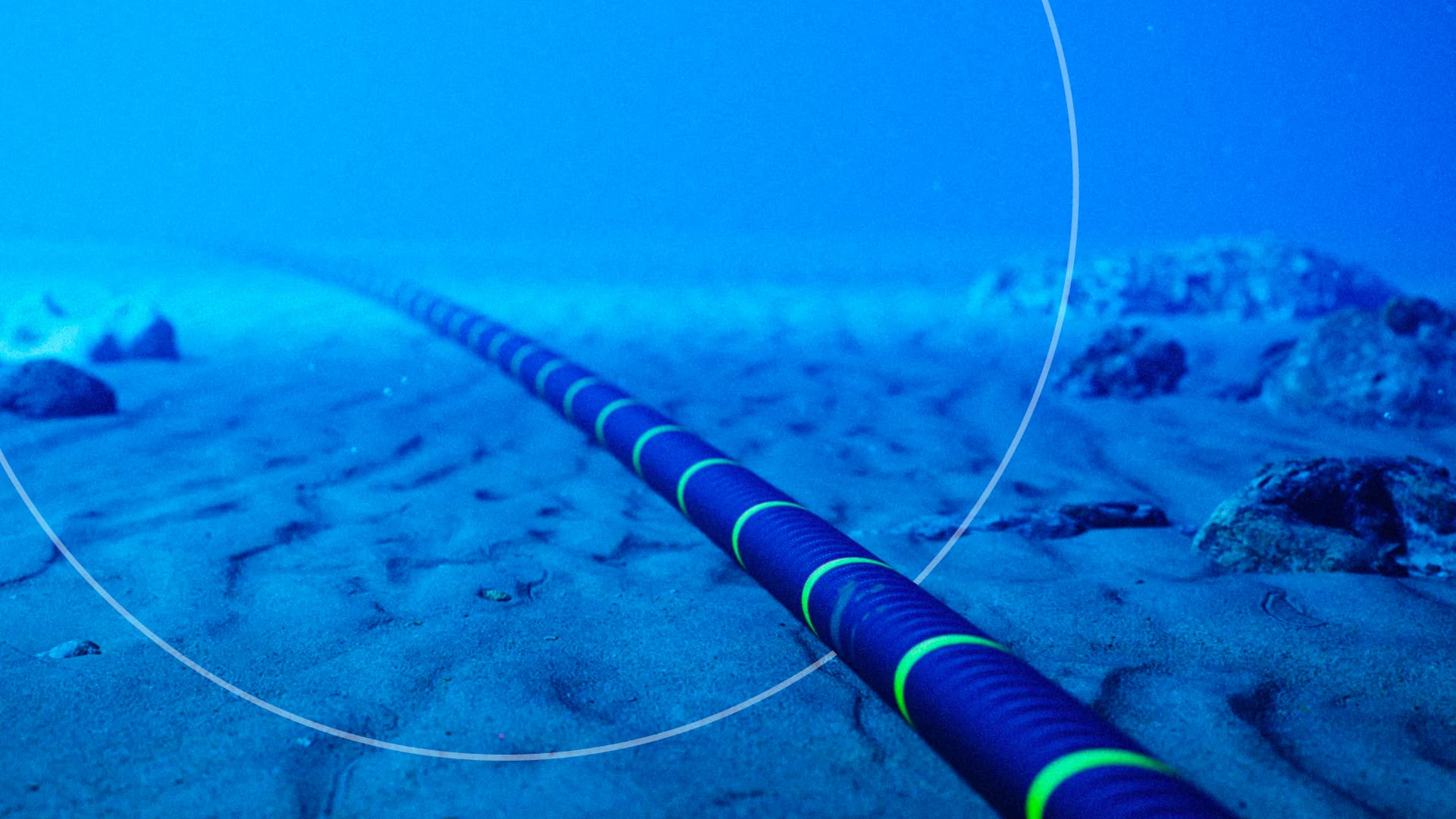
In a major step towards strengthening maritime security, India is planning to establish an advanced seabed fibre-optic surveillance network capable of detecting and tracking submarines operating in the Indian Ocean Region (IOR).
India Plans Seabed Cable Network To Track Chinese and Pakistani Submarines
The ambitious project, being developed by the Defence Research and Development Organisation (DRDO), aims to provide round-the-clock underwater surveillance in response to the growing presence of Chinese and Pakistani submarines in strategically important waters.
Background
The increasing deployment of Chinese naval assets in the Indian Ocean and Pakistan’s ongoing submarine modernisation have prompted India to strengthen its underwater surveillance capabilities. The proposed seabed network will help improve Maritime Domain Awareness (MDA) by continuously monitoring underwater activity and providing early warning of submarine movements.
Deep Ocean Watch Project
The surveillance initiative is part of a project known as Deep Ocean Watch. DRDO has invited industry partners to design, build and operate the integrated underwater monitoring system.
The project will consist of:
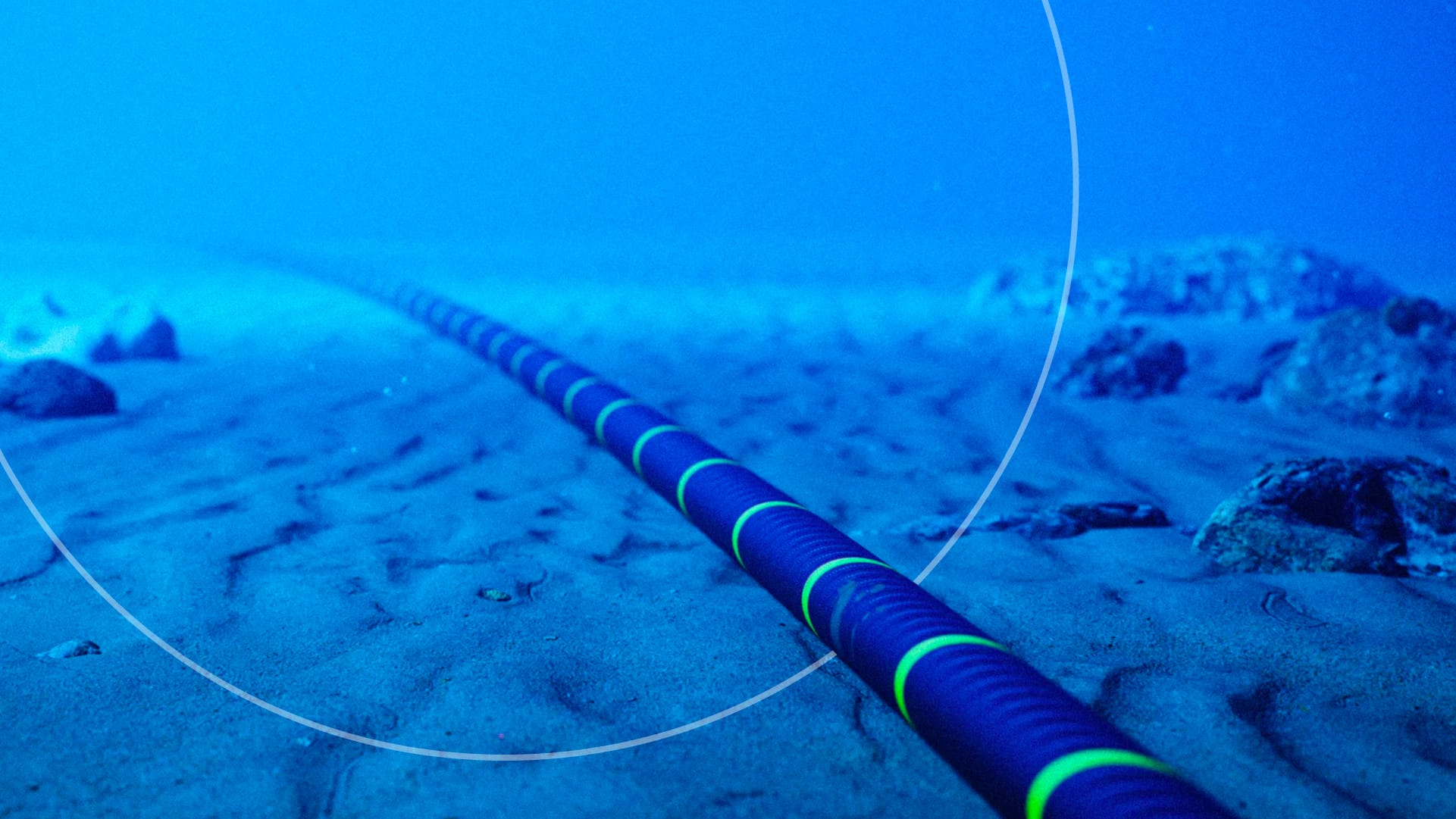
- Fibre-optic cables laid on the seabed.
- Networks of underwater sensor nodes.
- Passive sonar systems.
- Advanced electromagnetic detection sensors.
- Shore-based command and analysis facilities.
Together, these components will enable continuous monitoring of submarine movements across sensitive maritime regions.
How the System Will Work
The backbone of the project will be a fibre-optic cable network connecting arrays of underwater sensors to a shore station at Kochi, which will function as the central command and data-processing hub.
The system will combine multiple technologies, including:
- Passive sonar sensors to detect the acoustic signatures produced by submarine propellers and onboard machinery.
- Superconducting Quantum Interference Devices (SQUIDs) capable of sensing extremely weak electromagnetic signals generated by a submarine’s metallic hull and equipment.
- Automated data analysis and secure communication systems for near real-time detection and reporting.
These technologies will significantly improve India’s ability to detect submarines operating silently beneath the sea surface.
Areas Under Surveillance
The proposed surveillance grid will cover several strategically important regions, including:
- The Bay of Bengal.
- The Andaman and Nicobar Islands.
- The Ninety East Ridge, an underwater mountain chain extending more than 5,000 kilometres across the eastern Indian Ocean.
These areas lie close to important sea routes used by submarines moving between the Pacific Ocean and the Indian Ocean, making them critical for India’s maritime security.
Strategic Importance
The project assumes greater significance due to the expanding undersea capabilities of India’s neighbours.
China has steadily increased the deployment of submarines and research vessels in the Indian Ocean, while Pakistan is inducting new Hangor-class Air Independent Propulsion (AIP) submarines built with Chinese assistance. These developments have reinforced the need for persistent underwater surveillance.
Indigenous Technological Support
India already possesses considerable expertise in underwater surveillance through DRDO’s Naval Science and Technological Laboratory (NSTL) and the Naval Physical and Oceanographic Laboratory (NPOL), which have developed indigenous sonar systems such as HUMSA-UG and Abhay.
The Deep Ocean Watch project is expected to build upon these existing technologies and integrate them into a large-scale underwater surveillance network.
Benefits of the Project
Once operational, the seabed surveillance network will:
- Strengthen India’s Maritime Domain Awareness.
- Provide continuous monitoring of submarine activity.
- Improve anti-submarine warfare capabilities.
- Enhance the security of sea lines of communication.
- Support the Indian Navy in protecting strategic maritime interests.
- Contribute to regional maritime stability in the Indian Ocean.


