




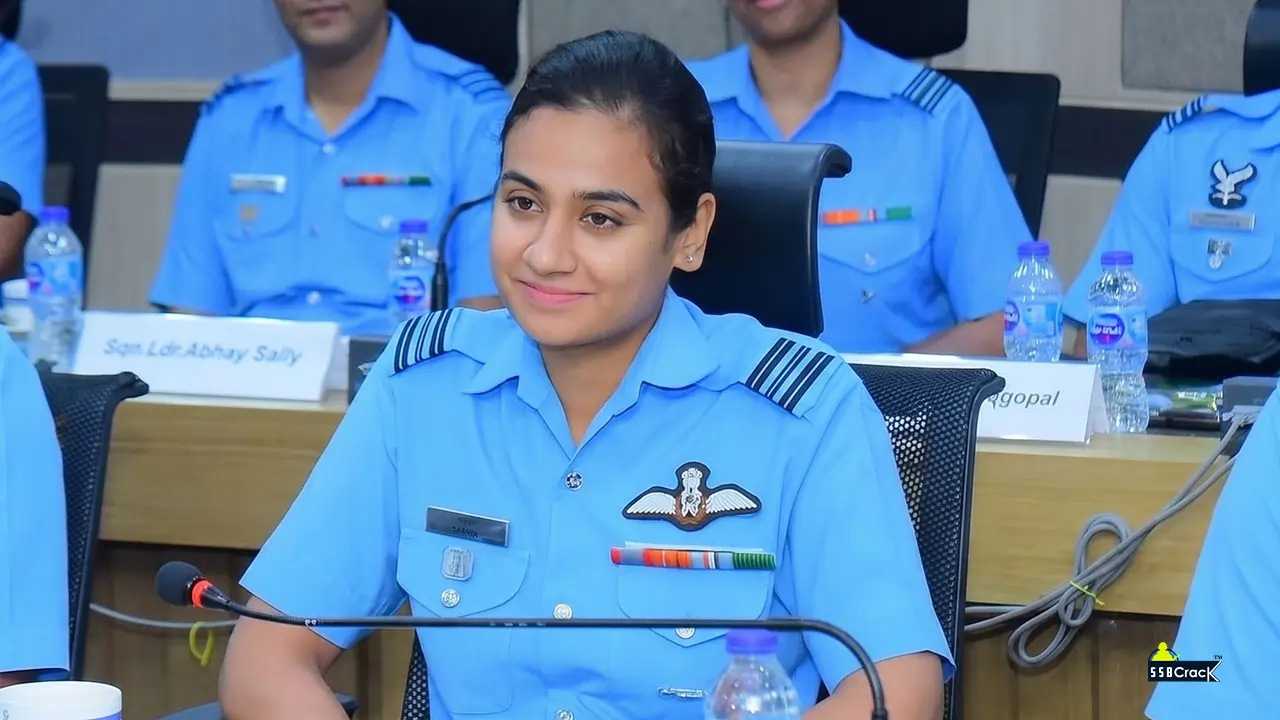
In the Indian Air Force (IAF), the designation of Category-A (Cat-A) Qualified Flying Instructor (QFI) is regarded as one of the most prestigious and critical qualifications. Cat-A QFIs exemplify the highest level of instructional excellence in military aviation, embodying a combination of outstanding flying skills, advanced teaching methodologies, extensive operational experience, and the ability to mentor future air warriors.
These elite instructors play a pivotal role in upholding flying standards and ensuring safety across the IAF, significantly contributing to the operational readiness and professional standards of the force.
The evolution of the QFI grading system in the IAF has seen significant transformations over the decades. Initially influenced by the United Kingdom’s Central Flying School (CFS) model, the grading system had five tiers until the early 2000s—ranging from Cat C (Probationary Instructor) to A1 (Instructor of Exceptional Ability). A1 instructors held unique authority, allowing them to evaluate and categorize pilots at the same level. However, only 38 officers in the IAF’s history attained this elite status.
To streamline the process, the IAF refined the grading system in the early 2000s into three categories: Cat C, Cat B, and Cat A. This modernization preserved the rigorous standards while adapting to contemporary operational needs, with Cat-A representing the highest qualification and the responsibility of training pilots at all levels.
All pathways leading to Cat-A QFI status commence at the Flying Instructors School (FIS), situated at Air Force Station Tambaram, near Chennai. Established in 1948 and relocated to Tambaram in 1954, the FIS serves as the sole institution authorized to confer QFI qualifications. It trains pilots from the IAF, as well as those from other branches of the armed forces and friendly foreign nations, solidifying its reputation as a center of excellence in military aviation training.
The journey to becoming a Cat-A QFI is extensive, encompassing rigorous selection, intensive training, and a commitment to ongoing professional excellence. The selection process identifies experienced operational pilots with strong instructional potential. The Qualified Flying Instructors Course (QFIC) is a demanding 22-week program that integrates intensive flying training and over 200 hours of comprehensive academic instruction. Candidates are tested regularly to ensure that only the most proficient graduate.
Upon completing the QFIC, successful candidates are awarded the QFI badge and typically start at Cat-C. Progressing to Cat-A is a selective process that necessitates hundreds of additional instructional flying hours, consistent high performance evaluations, and contributions to developing other instructors.
Cat-A QFIs bear critical responsibilities that impact the IAF’s combat effectiveness and safety protocols. They train ab-initio pilots across various flying phases, ensure standardization of techniques and safety protocols, assess and mentor future QFIs, and contribute to continuous professional development initiatives. Their influence extends beyond the classroom into shaping the professional and safety ethos of the entire force.
Training at the FIS incorporates a diverse array of aircraft tailored to various instructional needs, including the modern Pilatus PC-7 Mk II, which has become fundamental for basic training, along with historical aircraft that have previously been utilized. Instructors are qualified across relevant aircraft types, enabling them to impart comprehensive skills from fundamental airmanship to advanced techniques.
The esteemed status of Cat-A QFIs has been highlighted by notable milestones, including several distinguished officers, such as former Chief of the Air Staff, Air Chief Marshal Arup Raha. Additionally, significant progress in gender representation has been achieved, with Squadron Leader Shalija Dhami being one of the first women to qualify and Squadron Leader Shivangi Singh becoming the first woman fighter pilot to earn the QFI badge in 2025. A landmark achievement occurred around May 2026 when Squadron Leader Saanya became the first female officer to achieve Cat-A QFI status, reflecting the evolving role of women in the IAF.
The strategic significance of Cat-A QFIs as force multipliers cannot be overstated. By cultivating a pool of highly qualified instructors and maintaining rigorous standards, they enhance pilot competencies and bolster safety. Their expertise has also facilitated international cooperation, exemplified by recent deployments to train Royal Air Force pilots in the UK.
As the IAF navigates an era of rapidly evolving technology and complex operational requirements, the role of Cat-A QFIs remains essential in shaping future aviators. These instructors not only impart technical skills but also instill the values and safety culture fundamental to the service.
In summary, the Cat-A Qualified Flying Instructor is the pinnacle of instructional achievement in the Indian Air Force. With a challenging selection process, comprehensive training at the historic FIS, and years of demonstrated expertise, these officers uphold the highest traditions of military aviation education. As the IAF continues to enhance its capabilities, Cat-A QFIs will remain critical to its training regime, ensuring the development of skilled, disciplined, and safety-conscious aviators who are ready to safeguard the nation’s skies.


