




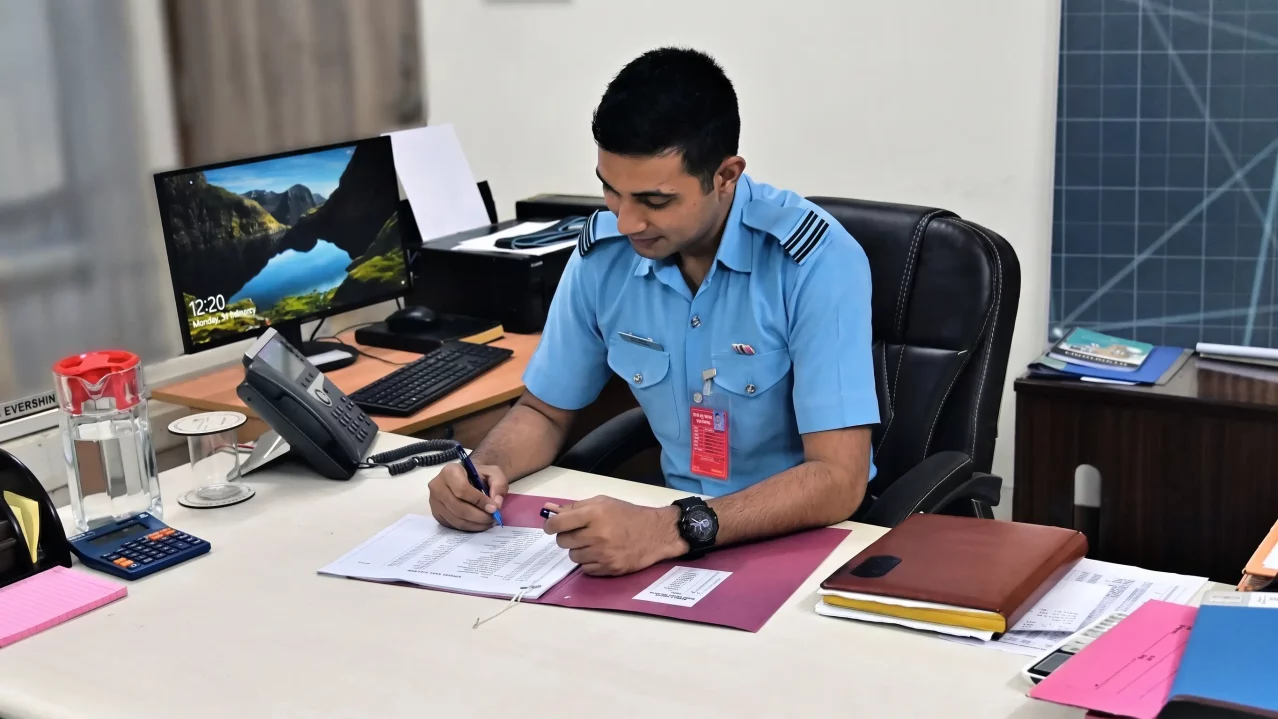
The Indian Air Force (IAF) has made a noteworthy move to assist its officers intending to transition to civil services by conducting a formal demand survey. This initiative aims to evaluate the interest in preparatory facilities for the Union Public Service Commission (UPSC) Civil Services Examination.
In a recent communication to all Air Force commands, the headquarters has requested a detailed survey to ascertain how many officers, particularly those who have served for a minimum of five years, are interested in preparing for the prestigious examination that recruits candidates for the Indian Administrative Service (IAS), Indian Police Service (IPS), Indian Foreign Service (IFS), and other Group ‘A’ services. This development reflects a significant shift in institutional perspective, acknowledging that several officers may seek rewarding second careers in administration after their military service.
### Details of the Initiative
Sources within the Air Force indicated that headquarters is contemplating extending targeted facilities to Short Service Commission (SSC) officers preparing for the UPSC. The main aim of this initiative is to provide structured support for those wishing to transition to civil administration careers following their defence service. While the survey is open to Permanent Commission officers, it is noted that they will still need to navigate the standard recruitment process applicable to all UPSC candidates.
The survey form being circulated among officers is designed to assess both the seriousness of interest and the scale of potential demand for support services. Currently, no specific details regarding facilities such as study leave, access to coaching, library resources, or dedicated preparation time have been disclosed. Future decisions regarding the extent and nature of support will be made only after analyzing the survey results. This thoughtful approach allows the Air Force to align any prospective policy with actual requirements while ensuring operational commitments remain a priority.
### Context and Rationale
This initiative is occurring during a time when there is an increasing acceptance of career mobility between the armed forces and civil services. Generally, Short Service Commission officers in the Indian Air Force serve a fixed tenure, typically between 10 to 14 years, leading many to seek stable, long-term opportunities in civilian roles thereafter. The UPSC examination is regarded as one of the most esteemed career pathways in India, providing administrative authority, policy influence, and a well-defined career progression.
UPSC regulations already offer certain relaxations for ex-servicemen, which include age concessions of up to five years (subject to conditions) and additional attempts for some candidates. By exploring preparatory support while officers are still in service, the IAF aims to alleviate the personal and financial burdens associated with preparation for competitive examinations and facilitate smoother career transitions.
This move also aligns with a broader recognition that in order to retain talent and sustain high morale, institutions must provide meaningful post-service opportunities. Officers who already have demonstrated leadership skills, discipline, crisis management abilities, and subject matter expertise in fields such as aviation, logistics, and security can provide invaluable insights within civil administration.
### Potential Implications
If introduced, the proposed support could encompass various elements, including study leave, access to coaching resources, curated study materials, and potentially reduced operational requirements during key preparation periods. Such measures would reflect successful support models implemented by certain state governments and public sector organizations.
For serving officers, this initiative provides an opportunity to strategically plan their careers. Those who successfully clear the UPSC examination will enter civil services with the advantage of prior leadership experience, potentially enhancing civil-military collaboration in governance.
From an organizational perspective, the Air Force stands to benefit from better retention rates among officers who feel their long-term career aspirations are being acknowledged. However, it will be crucial to balance any preparatory support with the need to maintain operational readiness. The results of the survey will be vital in determining whether demand justifies allocating dedicated resources without compromising core military functions.
### Forward Outlook
The demand survey represents just the beginning of what could develop into a formal policy framework. Should the responses indicate significant interest, the Air Force Headquarters is expected to develop detailed guidelines in collaboration with relevant stakeholders. The timeline for any decision will largely depend on the survey findings and subsequent internal discussions.
This initiative underscores changing career pathways within India’s defence services. As the armed forces increasingly prioritize talent management and officer well-being, programs supporting varied post-service aspirations are likely to gain further prominence.
Officers interested in participating in the survey are encouraged to complete the forms circulated via official channels as soon as possible. For ongoing updates, personnel should refer to official Air Force communications.
The IAF’s exploration of structured support for civil service preparation demonstrates a progressive approach that harmonizes institutional priorities with individual career objectives. As the survey progresses, its implications will be closely monitored by serving officers, defence aspirants, and policy analysts for its potential to set a precedent across the armed services.


